Different rice varieties require specific techniques to unlock their unique characteristics. Learning how to make basmati rice and other specialty grains means understanding how grain length, starch content, and processing affect cooking methods. Each variety offers distinct flavors, textures, and culinary applications.
I discovered the world of specialty rice varieties while working in restaurants that served diverse cuisines. Each chef had specific techniques for their preferred rice—Indian cooks soaked basmati, Thai cooks steamed jasmine, health-conscious kitchens perfected brown rice. Understanding these differences transformed my home cooking.
Rice Variety Guide
Long-grain varieties like basmati and jasmine stay separate and fluffy. Medium-grain offers balance between separate and sticky. Short-grain creates creamy, cohesive texture. Match variety to intended use.
Understanding Rice Classifications
Rice varieties fall into three main categories based on grain length and starch content. Long-grain rice has low starch and stays separate when cooked. Medium-grain has moderate starch and slight stickiness. Short-grain has high starch and creates cohesive, sticky texture.
Within these categories, specific varieties offer unique characteristics. Basmati and jasmine are aromatic long-grain varieties. Arborio is a medium-grain variety perfect for risotto. Japanese short-grain rice excels for sushi. When people ask how to make jasmine rice, they're asking about cooking aromatic long-grain rice properly.
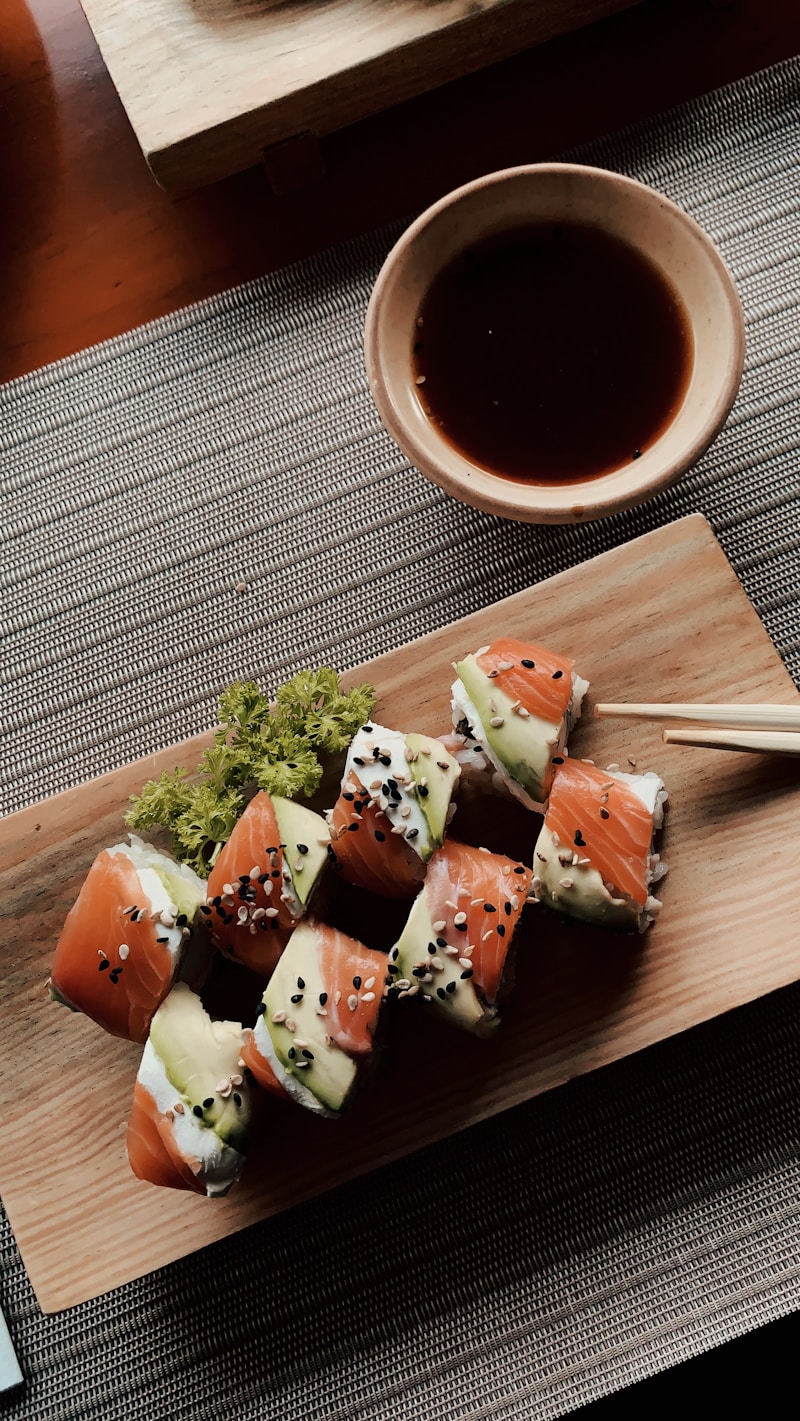
Various specialty rice types and grains
Basmati Rice Mastery
Basmati rice requires soaking before cooking to achieve its characteristic long, separate grains. Rinse basmati until water runs clear, then soak in cold water for 30 minutes minimum. This soaking allows grains to absorb water evenly and prevents breaking during cooking.
After soaking, drain thoroughly. Use 1:1.5 ratio of rice to water. Bring water to boil, add rice, return to boil, then immediately reduce to lowest heat. Cover and cook 15 minutes. Let rest 10 minutes before fluffing. The result is fragrant, fluffy rice with distinct grains.
Basmati Flavor Enhancement
Toast basmati in dry pan for 2-3 minutes before adding water for nuttier flavor. Add whole spices like cardamom pods, cinnamon stick, or bay leaves to cooking water. Use ghee instead of oil for authentic Indian flavor. These techniques create restaurant-quality basmati at home.
Jasmine Rice Technique
Jasmine rice has natural floral aroma that shouldn't be overwhelmed by excessive rinsing. Rinse gently 2-3 times until water is mostly clear. Use 1:1.25 ratio of rice to water. The slightly higher water content accommodates jasmine's texture while maintaining separate grains.
Cook jasmine rice using absorption method—bring to boil, reduce heat, simmer covered 18 minutes, rest 5 minutes. When learning how to make brown rice versus white jasmine, remember that brown varieties need more water and longer cooking time.
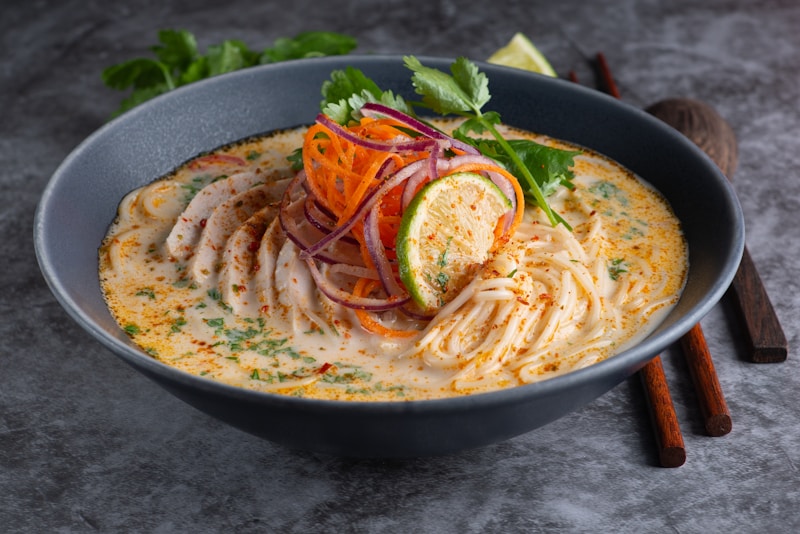
Fragrant jasmine rice with natural aroma
Brown Rice Fundamentals
Brown rice retains its bran layer, requiring longer cooking time and more liquid. Use 1:2.5 ratio of rice to water. Bring to boil, reduce heat, simmer covered 45 minutes, rest 10 minutes. The bran layer provides nutrition but creates chewier texture than white rice.
Soaking brown rice for 30 minutes before cooking reduces cooking time to 35 minutes and improves texture. The soaking softens the bran layer and allows more even cooking. Brown rice benefits from toast-first method—dry toast for 3-4 minutes before adding liquid.
Brown Rice Varieties
Brown basmati, brown jasmine, and short-grain brown rice each require slight technique adjustments. Brown basmati needs 1:2.25 ratio and 40 minutes cooking. Brown jasmine uses 1:2 ratio and 35 minutes. Short-grain brown rice creates creamier texture with 1:2.5 ratio and 45 minutes.
Long-Grain Rice Techniques
Regular long-grain white rice forms the backbone of many cuisines. Use 1:1.5 ratio with absorption method. The key to perfect long-grain rice is proper heat management—high heat to boil, lowest heat to simmer. When people want to know how to make long grain rice, technique matters more than specific variety.
Long-grain rice excels in dishes where separate grains are desired—pilaf, fried rice, side dishes. The low starch content prevents clumping while creating fluffy texture. This makes long-grain varieties ideal for beginners learning rice cooking fundamentals.
Specialty Cooking Methods
Pilaf Method
Sauté rice in oil until lightly toasted, add aromatics like onion, then add hot liquid. This method works excellently with basmati and long-grain varieties. Creates separate, flavorful grains with complex taste.
Pasta Method
Cook rice in abundant boiling salted water like pasta, then drain when tender. Works well for brown rice and prevents overcooking. Allows precise control over texture and eliminates guesswork about liquid ratios.
Oven Method
Combine rice and liquid in covered baking dish, bake at 350°F. Even heat distribution prevents hot spots. Excellent for large batches and hands-off cooking. Timing varies by rice type—18 minutes for white, 45 for brown.
Matching Rice to Dishes
Basmati pairs perfectly with Indian and Middle Eastern cuisines—its aromatic quality complements spiced dishes. Jasmine rice suits Thai and Southeast Asian foods with its subtle floral notes. Long-grain white rice provides neutral base for bold flavors.
Brown rice varieties offer nutty flavor and chewy texture that works well with hearty, rustic dishes. The extra fiber and nutrients make brown rice popular for health-conscious cooking. However, the stronger flavor can overwhelm delicate dishes that benefit from neutral white rice.
Storage and Quality
Store specialty rice varieties in airtight containers in cool, dry places. White rice keeps for years when properly stored. Brown rice has shorter shelf life due to oil in the bran layer—use within 6 months for best flavor. Aromatic varieties like basmati and jasmine lose fragrance over time.
Buy specialty rice from stores with high turnover to ensure freshness. Look for rice with uniform grain size and minimal broken pieces. Quality matters more with specialty varieties than basic white rice—the unique characteristics justify the higher cost.
Troubleshooting Specialty Rice
If basmati grains break during cooking, reduce stirring and ensure proper soaking time. If jasmine rice lacks aroma, check freshness and avoid over-rinsing. If brown rice seems tough, increase liquid and cooking time—the bran layer needs thorough cooking.
Each specialty variety has optimal cooking conditions. Take notes on what works with your specific brands and cooking equipment. Small adjustments in liquid ratios or timing can dramatically improve results. Understanding how to make long grain white rice properly provides foundation for mastering all specialty varieties.