Regular fried rice is great. But sometimes you want something that makes people look up from their plates and ask, "What is this?" That's where special varieties come in. Learning how to make kimchi fried rice and other unique versions opens up a whole world beyond basic soy sauce and eggs.
I discovered kimchi fried rice by accident during a late-night craving. Had leftover rice, jar of kimchi in the fridge, nothing else. What I made that night became a regular rotation meal. The tangy, spicy, funky flavors transformed ordinary ingredients into something genuinely exciting.
Why Special Varieties Matter
These recipes use bold flavors and interesting ingredients that regular fried rice doesn't touch. Once you master one special variety, the techniques transfer to others. You're learning flavor-building principles, not just following recipes.
Kimchi Fried Rice: Korean Soul Food
Kimchi fried rice (kimchi bokkeumbap in Korean) is comfort food that happens to be incredibly flavorful. The fermented cabbage brings sourness, heat, and umami all at once. When you cook kimchi, it mellows out and caramelizes slightly, creating depth you can't get from fresh ingredients.
Start with a cup of well-fermented kimchi. Older kimchi works better than fresh—you want it tangy and soft. Roughly chop it into bite-sized pieces. Don't rinse it. That brine contains all the flavor you're after.
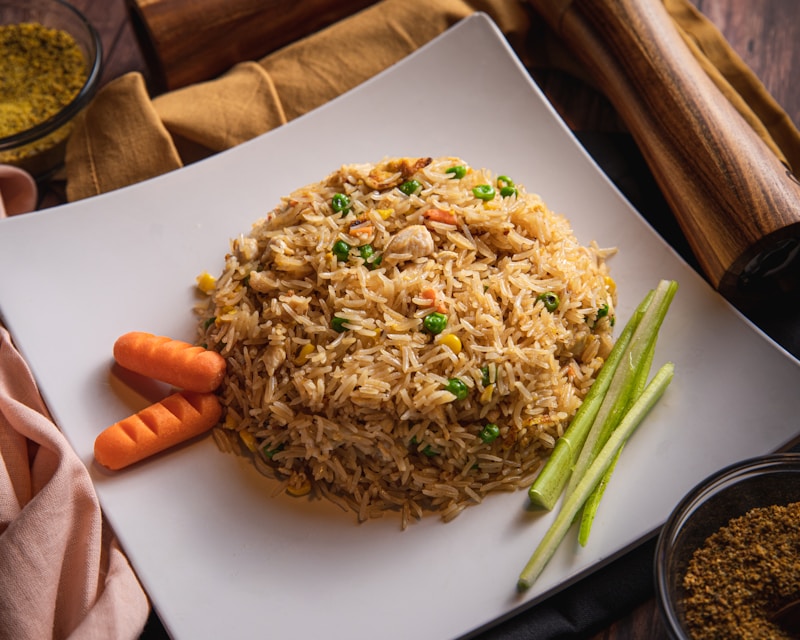
Kimchi and aromatics ready for cooking
The Korean Method
Heat a large pan over medium-high heat. Add sesame oil—about a tablespoon. When it's hot, add your chopped kimchi and cook for 3-4 minutes. You're concentrating the flavors and softening the cabbage further. It should sizzle and start to brown at the edges.
If you're including protein—diced spam or bacon are traditional choices—cook them with the kimchi. The fat renders out and adds richness. Many people who make pork fried rice don't realize how well pork belly works in this Korean version.
Add your day-old rice and break up any clumps. Stir constantly for about 3 minutes until everything is well mixed and the rice is heated through. Season with a tablespoon of gochugaru (Korean red pepper flakes) if you want extra heat. Finish by pushing the rice to the sides and cracking an egg in the center. Let it fry sunny-side up, then mix it in or leave it on top for presentation.
Hibachi Fried Rice: Japanese Steakhouse Style
If you've ever wondered how to make hibachi fried rice like those teppanyaki restaurants, the secret is butter. Yes, butter. Japanese steakhouse fried rice uses more butter than oil, giving it that rich, slightly sweet flavor you can't quite place.
You'll also need a squeeze bottle of soy sauce and butter mixed together. Professional hibachi chefs make this mixture ahead of time—equal parts melted butter and soy sauce, blended smooth. Having it in a squeeze bottle lets you drizzle it precisely over the rice as it cooks.
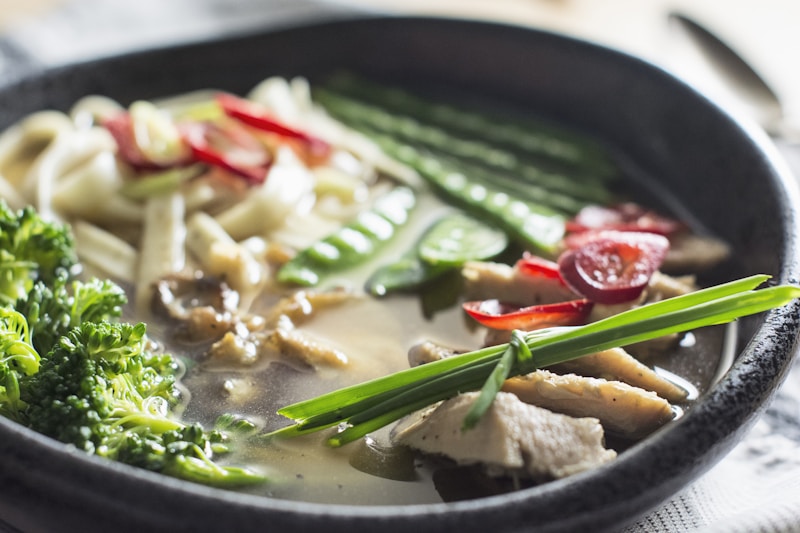
Hibachi-style cooking technique with butter
Building Hibachi Flavors
Heat your largest skillet or griddle over high heat. Add a tablespoon of butter. When it foams, crack in two eggs and scramble them quickly into small pieces. Push them aside. Add another tablespoon of butter to the empty space.
Toss in diced onion and cook until slightly translucent, about 2 minutes. If you're using vegetables like carrots or zucchini, add them now. Season with garlic butter—just garlic powder mixed into softened butter. This is where that characteristic hibachi flavor starts developing.
Add your rice and break it up. Now comes the signature move: drizzle that soy-butter mixture over everything while tossing constantly. Use about 3 tablespoons total. The rice should take on a light brown color and smell incredibly savory. Cook for 4-5 minutes, adding more butter if it seems dry. Hibachi fried rice should glisten.
Other Special Variations
Pineapple Fried Rice (Thai Style)
Thai pineapple fried rice balances sweet fruit with savory fish sauce and curry powder. When people ask how to make a chicken fried rice that feels special, this is my answer. The pineapple chunks caramelize in the hot pan, adding both sweetness and texture.
Start by stir-frying diced chicken thigh with curry powder. Add cashews for crunch. Pineapple goes in last so it doesn't get mushy. Fish sauce provides the salty element instead of soy sauce. Top with fresh cilantro and a squeeze of lime.
Bacon and Egg Fried Rice
This Western-influenced version works brilliantly for breakfast or brunch. Cook chopped bacon until crispy, remove it, then use the rendered fat to cook your eggs and rice. No additional oil needed. The smoky bacon flavor permeates everything.
Add diced scallions and maybe some cheese at the end—cheddar or parmesan both work. Top with the crispy bacon pieces. It's not traditional, but who cares when it tastes this good?
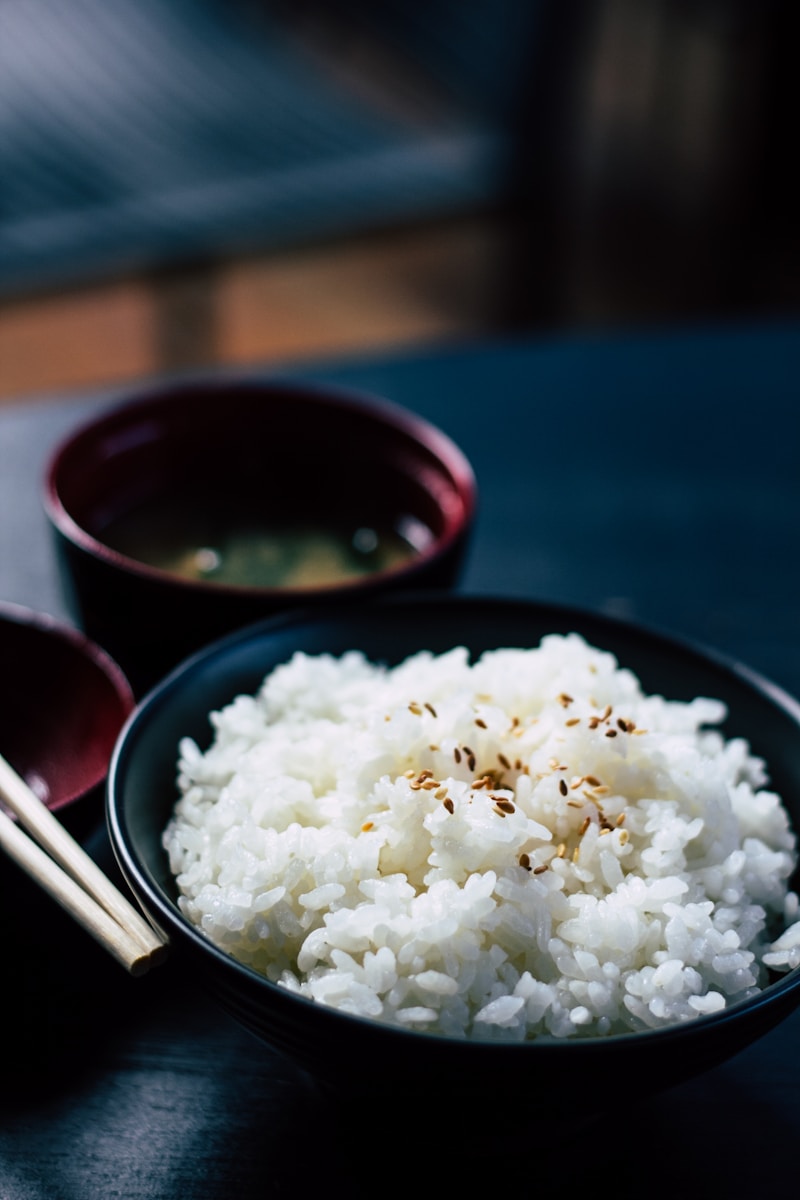
Various special fried rice varieties
XO Sauce Fried Rice
XO sauce is a Hong Kong specialty—dried seafood, chili, and garlic cooked down into an intensely flavorful condiment. A tablespoon of XO sauce mixed into fried rice creates complex, luxurious flavor. It's expensive, but you only need a small amount.
Cook your rice simply with just eggs and scallions, then stir in the XO sauce at the end. The sauce is so potent that it needs minimal supporting ingredients. This is what to make vegetable fried rice taste like it came from a high-end restaurant.
Techniques That Transfer
All these special varieties share common principles. They build flavor through layers—aromatics first, then protein, then rice, then finishing elements. They use signature ingredients that define their character. They balance flavors deliberately—sweet with salty, rich with acidic, mild with spicy.
Once you understand these patterns, creating your own variations becomes intuitive. See an interesting ingredient at the market? Think about what would balance it and how to incorporate it into fried rice. That's how new special varieties are born.
Tips for Success
Don't Overcomplicate
Special doesn't mean complicated. Most of these versions use 5-7 ingredients total. The special part is how you combine them, not how many you pile on.
Quality Matters for Signature Ingredients
Cheap kimchi, old curry powder, or low-quality XO sauce will disappoint. Since these ingredients define the dish, use good versions. The rice and eggs can be standard grocery store items.
Balance is Everything
Special varieties have bolder flavors, which means they can tip into overwhelming territory. Taste as you go. Add strong ingredients gradually until you hit the sweet spot.
Making It Your Own
The real joy of special fried rice varieties is experimentation. Maybe you combine kimchi with bacon. Perhaps you add curry powder to hibachi-style rice. There are no rules, only results.
Start with these proven combinations, then branch out. Your favorite special variety might not exist yet. It could be the one you invent next Tuesday when you're staring into the fridge wondering what to make for dinner. That's how the best home cooking happens—necessity mixed with creativity, guided by solid technique.