🍳 Choose Your Fried Rice Style
The distinctive aroma of fried rice cooking in a properly heated wok indicates authentic technique. This smoky fragrance signals that someone understands how to make fried rice correctly. Experience with fried rice across different culinary traditions reveals that skilled cooks treat day-old rice as a valuable ingredient rather than mere leftovers. Learning how to make fried rice properly requires understanding that this represents a complete cooking technique capable of transforming simple ingredients into exceptional dishes.
Initial attempts at fried rice often produce disappointing results: mushy grains that clump together, unevenly cooked vegetables, and rubbery eggs. These problems typically stem from incorrect technique rather than poor ingredients. Observing professional cooks reveals the importance of precise timing and deliberate ingredient sequencing. Learning how to make fried rice using proper methods transforms the approach to leftover rice entirely, making it an anticipated cooking opportunity rather than a kitchen challenge.
The Golden Rule
Start with cold, day-old rice. Fresh rice has too much moisture. It steams instead of fries. This single detail separates restaurant fried rice from the disappointing mush most people make at home.
Essential Ingredients
The beauty of learning how to make fried rice lies in its flexibility, but some ingredients are non-negotiable. Day-old rice is essential—fresh rice contains too much moisture and turns into paste when you try to fry it. Long-grain varieties work best because each grain stays distinct. Eggs provide richness and help bind everything together. Soy sauce delivers that deep, salty flavor that makes fried rice taste like itself instead of bland rice with stuff mixed in.
Once you master the basic technique of how to make fried rice, variations become endless. Want to make egg fried rice? Use three or four eggs instead of two and let them be the star. Planning to make shrimp fried rice? Add the shrimp after the aromatics and cook until just pink. Learning how to make chicken fried rice? Leftover rotisserie chicken works perfectly—just dice it small and add it near the end to warm through. The fundamental technique never changes, only the supporting cast.
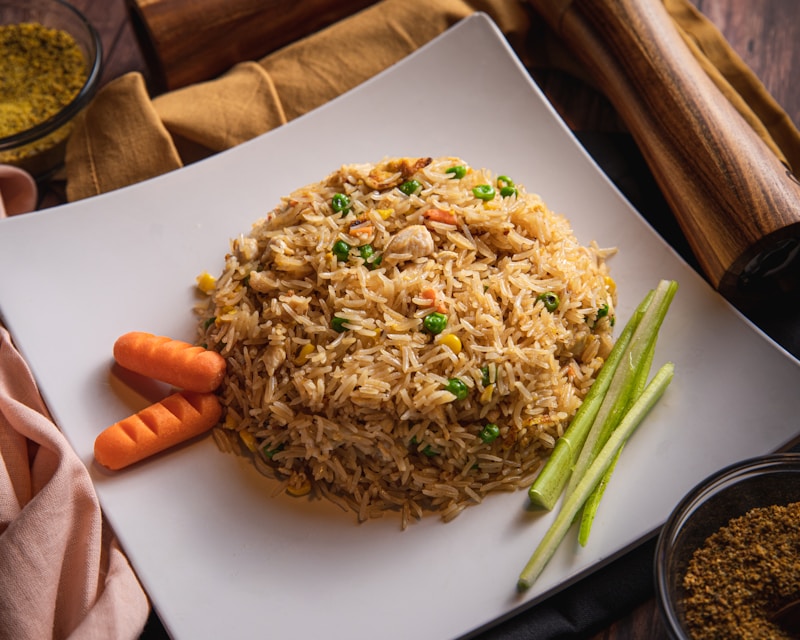
Fresh ingredients ready for fried rice preparation
The Step-by-Step Process
Prepare Everything First
The key to learning how to make fried rice successfully is preparation. This dish cooks incredibly fast—we're talking three to four minutes once the pan gets hot. There's no time to chop vegetables or search for seasonings once you start. Break up any clumps in your cold rice with your hands. Dice proteins into uniform, bite-sized pieces. Cut vegetables to similar sizes so they cook evenly. This prep work determines whether you'll make fried rice that looks professional or end up with a pan full of chaos.
Beat your eggs in a bowl and set them aside. Mix your sauce ahead of time—two tablespoons soy sauce, one teaspoon sesame oil, and a pinch of white pepper. Have your spatula ready and within arm's reach. When you're properly prepared, you can make fried rice that rivals any restaurant without burning ingredients or scrambling to find what you need mid-cooking.
Heat Management
Heat is everything when you make fried rice. Get your wok or largest skillet blazing hot—hotter than you'd use for almost any other dish. Add two tablespoons of neutral oil with a high smoke point. The oil should shimmer and almost smoke immediately. This intense heat creates that distinctive smoky flavor called "wok hei" that separates restaurant fried rice from home cooking. Without proper heat, you're not really learning how to make fried rice—you're just warming up rice with stuff in it.
Pour your beaten eggs into the screaming hot oil. They should puff and sizzle dramatically. Let them set for exactly ten seconds, then scramble them into large, fluffy curds. Don't overcook—they'll finish cooking with everything else. Push the eggs to one side of the pan. This technique of cooking eggs first is crucial when you make fried rice because it prevents them from becoming rubbery later.
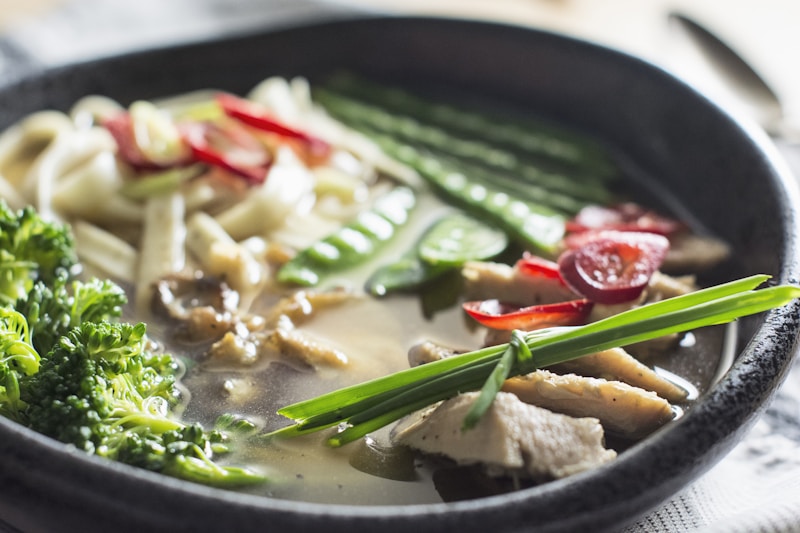
High-heat cooking in a wok for perfect fried rice
Building Layers of Flavor
If you're adding protein, cook it now in the empty side of your pan. Season with salt and cook until about 80% done. Then add your aromatics—minced garlic, ginger, and the white parts of scallions. Keep everything moving for thirty seconds until fragrant. This layered approach is essential when you make fried rice because it builds flavor at each stage instead of just mixing everything together.
Now comes the moment that separates those who truly know how to make fried rice from those who just wing it. Dump in all your cold rice at once. Use your spatula to break up any stubborn clumps. Toss everything together aggressively, keeping the pan in constant motion. Every single grain needs to get coated with oil and heated through. This takes about three minutes of non-stop stirring over maximum heat. Your arm will get tired, but this is what creates properly fried rice.
The Final Touch
Pour your sauce mixture around the edges of the pan, not directly onto the rice. It'll sizzle and reduce slightly before mixing in. This technique prevents soggy rice. Add your vegetables—frozen peas work great because they don't release much water. Toss everything for another minute.
Taste a spoonful. Needs more soy sauce? Add it now, but go light. You can always add more; you can't remove it. Finish with sliced green scallion tops and a drizzle of sesame oil. Kill the heat. Serve immediately.
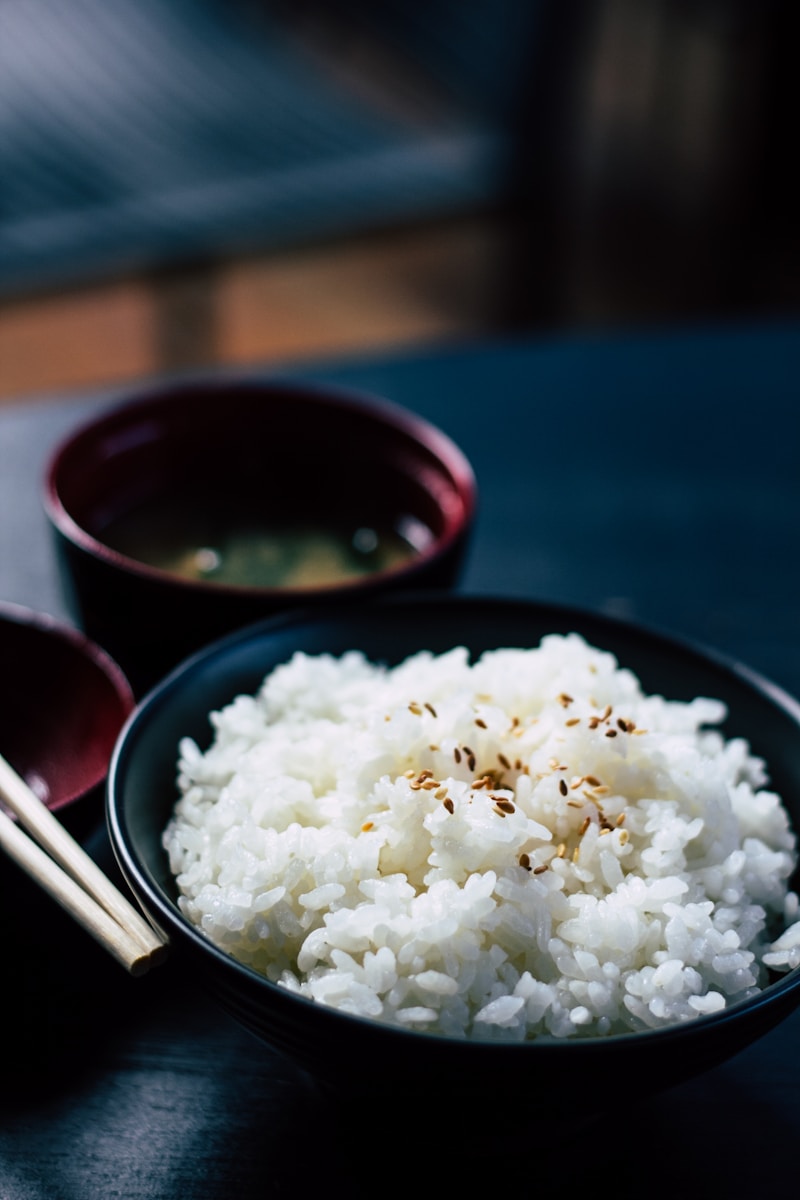
Perfectly cooked fried rice ready to serve
Common Problems Solved
Problem: Mushy, Wet Rice
You either used fresh rice or didn't get the pan hot enough. The solution: always use day-old refrigerated rice, and don't be afraid of high heat. Your rice should sizzle when it hits the pan.
Problem: Burnt Garlic or Vegetables
You added aromatics too early or stopped moving the pan. Keep everything in constant motion. If something starts to burn, immediately add your rice to drop the temperature.
Problem: Bland Flavor
Likely underseasoned or you skipped the high-heat step. Salt your protein when cooking it. Don't be shy with soy sauce. That smoky wok flavor only comes from proper heat.
Variations Worth Trying
Once you master the fundamentals of how to make fried rice, the variations become endless and exciting. Thai-style fried rice swaps soy sauce for fish sauce and adds fresh Thai basil at the end. Korean fried rice incorporates kimchi and gochujang for fermented heat and complexity. Japanese fried rice often features butter along with soy sauce for an incredibly rich profile. Each culture has found ways to make fried rice their own while respecting the core technique.
Every successful variation follows the same fundamental principles: day-old rice, blazing heat, constant movement, and building flavors in layers. Master these basics and you'll make fried rice that surpasses most restaurants. Your leftover rice will transform from forgotten fridge contents into the foundation for incredible meals. That's the real power of learning how to make fried rice properly—it changes how you think about leftovers forever.