Perfect rice starts with choosing the right cooking method for your kitchen and lifestyle. Learning how to make rice on the stove provides complete control over texture and timing. When you make rice on the stove, you gain flexibility that automated methods cannot match. Understanding how to make rice on the stove properly forms the foundation for excellent rice cooking, though rice cookers and instant pots offer convenience advantages in specific situations.
Experience with multiple cooking methods reveals that mastering how to make rice on the stove provides essential skills applicable to all rice preparations. When you make rice on the stove, you develop understanding of heat control, timing, and texture that transfers to other methods. The ability to make rice on the stove successfully ensures you can produce excellent rice regardless of available equipment or cooking circumstances.
Method Selection Guide
Stovetop offers maximum control, rice cookers provide convenience, instant pots save time, and microwaves work for small portions. Each method has optimal uses and specific techniques for best results.
Stovetop Method Advantages
When you make rice on the stove, you control every variable—heat level, timing, liquid ratios, and cooking progression. The ability to adjust technique mid-cooking when you make rice on the stove provides unmatched flexibility. This control makes it ideal to make rice on the stove for different rice varieties, custom textures, and recipes requiring specific consistency. Learning to make rice on the stove expertly delivers superior results compared to automated methods.
The main difference when you make rice on the stove versus using automated equipment involves control versus convenience. When you make rice on the stove, attention requirements increase but rewards include precisely the texture you desire. The technique to make rice on the stove successfully demands active participation but produces customized results impossible with preset automatic cooking cycles.
Traditional stovetop rice cooking method
Rice Cooker Benefits
Rice cookers excel at consistency and convenience compared to when you make rice on the stove. Set and forget operation handles timing and temperature control automatically. While modern rice cookers include settings for different rice types, when you make rice on the stove you achieve superior customization. The choice between automated cookers and learning to make rice on the stove depends on whether you prioritize convenience or control.
Quality rice cookers use fuzzy logic for automatic adjustments, sensing moisture levels and modifying heat accordingly. However, when you make rice on the stove with proper technique, you make similar adjustments manually with greater precision. The ability to make rice on the stove successfully provides skills that electronic sensors cannot replicate, especially for specialty rice preparations requiring nuanced control.
Rice Cooker Limitations
Rice cookers work best with standard rice ratios. Custom recipes, mixed grains, or unusual liquid ratios confuse their sensors, making it difficult to achieve perfect results. You cannot easily adjust mid-cooking with automated equipment. When you make rice on the stove, such adjustments become simple and immediate. For specialty preparations requiring flexibility, learning to make rice on the stove offers superior control and adaptability that automated equipment cannot match.
Instant Pot Advantages
Pressure cooking dramatically reduces rice cooking time compared to when you make rice on the stove. What takes 20 minutes when you make rice on the stove takes only 4 minutes in an Instant Pot. The sealed environment prevents evaporation, requiring less liquid than when you make rice on the stove. However, mastering the technique to make rice on the stove remains valuable because it teaches fundamental rice cooking principles applicable to all methods.
The key difference between pressure cooking and when you make rice on the stove involves liquid ratios. Pressure cooking requires less water because nothing evaporates. Use approximately 20% less liquid than when you make rice on the stove traditionally. Understanding these differences helps you choose the appropriate method for your specific situation and rice type.
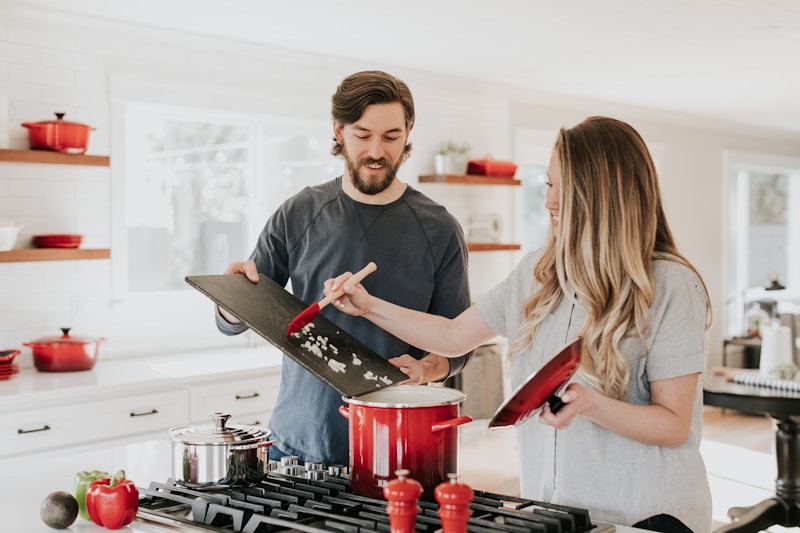
Various rice cooking methods and equipment
Microwave Method
Microwave cooking works well for small portions—one to two servings. Use a large, microwave-safe bowl to prevent boiling over. Combine rice and liquid, cover tightly, microwave on high for 5 minutes, then 50% power for 15 minutes. Let stand 5 minutes before fluffing.
The microwave method suits dorm rooms, offices, or when other cooking methods aren't available. Results are acceptable but not exceptional. The texture tends to be slightly less fluffy than stovetop or rice cooker methods. However, it's convenient and requires minimal equipment.
Choosing Your Method
Choose Stovetop When:
You want maximum control, cooking specialty rice varieties, making pilaf or risotto, or don't own other equipment. Best for experienced cooks who enjoy hands-on cooking.
Choose Rice Cooker When:
You cook rice frequently, want consistent results, need hands-off cooking, or cook large batches regularly. Perfect for busy families or rice-heavy cuisines.
Choose Instant Pot When:
Time is critical, cooking tough grains like brown or wild rice, making one-pot meals, or you already own a pressure cooker. Great for meal prep and batch cooking.
Choose Microwave When:
Cooking small portions, limited kitchen equipment, office or dorm cooking, or reheating leftover rice. Best for convenience rather than optimal results.
Water Ratio Adjustments
Each cooking method requires slightly different liquid ratios. Stovetop uses standard 1:2 ratio for most rice. Rice cookers often need slightly less water due to minimal evaporation. Pressure cookers need 20% less liquid. Microwaves may need extra liquid to compensate for uneven heating.
These ratios serve as starting points. Adjust based on your specific equipment, rice variety, and texture preferences. Keep notes on what works with your setup. Once you dial in the perfect ratios for your equipment, you'll get consistent results every time.
Timing Comparisons
Stovetop white rice takes about 20 minutes total (bring to boil, simmer 15 minutes, rest 5 minutes). Rice cookers vary but typically 25-30 minutes including warm-up time. Instant Pot takes 4 minutes pressure cooking plus 10 minutes natural release. Microwave takes about 20 minutes total.
However, hands-on time differs significantly. Stovetop requires monitoring. Rice cookers and Instant Pots are set-and-forget. Microwave needs one check halfway through. Consider both total time and attention required when choosing methods.
Batch Size Considerations
Stovetop works for any batch size but requires larger pots for big batches. Rice cookers have capacity limits—don't exceed the maximum fill line. Instant Pots handle large batches well but need minimum liquid for pressure. Microwaves work best for small portions.
When people want to know how to make rice in instant pot for meal prep, the pressure cooker excels at large batches. You can cook several cups of rice quickly and efficiently for the week ahead.
Energy Efficiency
Rice cookers are most energy-efficient for regular rice cooking—they use minimal power and switch to low-power warm mode automatically. Instant Pots use more power initially but cook faster, potentially saving energy overall. Stovetop efficiency depends on your stove type. Microwaves use moderate energy for short periods.
For environmental and cost considerations, rice cookers win for frequent use. If you cook rice occasionally, stovetop or microwave methods avoid buying additional appliances. Consider your cooking frequency when evaluating energy and equipment costs.
Texture Differences
Stovetop produces the most customizable texture—you control every variable. Rice cookers create consistently fluffy rice with good separation. Pressure cookers can make rice slightly softer due to high pressure. Microwaves sometimes create uneven texture with some harder or softer spots.
For dishes requiring specific textures—like sushi rice or risotto—stovetop offers the most control. For everyday rice as a side dish, rice cookers provide excellent, consistent results. Match your method to your texture requirements and skill level.