Real Chinese fried rice bears no resemblance to the soggy, flavorless stuff most people make at home. When you learn how to make Chinese fried rice authentically, you discover it's not just about ingredients—it's about mastering fire, timing, and technique. I spent three months working in a Cantonese kitchen, and watching those cooks make Chinese fried rice was like watching artists work. Every grain separate, every flavor distinct, that unmistakable smoky aroma rising from blazing woks.
The secret isn't complicated, but it's precise. Chinese chefs make Chinese fried rice using principles that most home cooks ignore: extreme heat, constant motion, and building flavors in layers. The entire dish cooks in under four minutes once you start, which means every second counts. When you truly understand how to make Chinese fried rice, you realize that preparation isn't just important—it's everything.
The Wok Makes the Difference
Professional Chinese kitchens use special high-BTU burners that home stoves can't match. But you can still get excellent results by preheating your wok properly and working in small batches. A screaming hot pan is non-negotiable.
Essential Equipment and Ingredients
Equipment matters when you make Chinese fried rice. A carbon steel wok is ideal, but a heavy cast iron skillet works if that's what you have. Thin-sided pans lose heat too quickly and won't give you the results you want. The pan must stay blazing hot even when you add cold ingredients. This heat retention is what separates authentic Chinese cooking from mediocre imitations. Without proper heat, you're not really learning how to make Chinese fried rice—you're just stirring warm rice around.
Ingredients are equally crucial when you make Chinese fried rice. Day-old long-grain rice is mandatory—fresh rice contains too much moisture and turns into paste. Room temperature eggs cook more evenly than cold ones straight from the fridge. High-quality soy sauce makes a noticeable difference. When Chinese chefs make Chinese fried rice, they use light soy for saltiness and dark soy for color. This combination creates the complex flavor profile that makes authentic Chinese fried rice so distinctive.
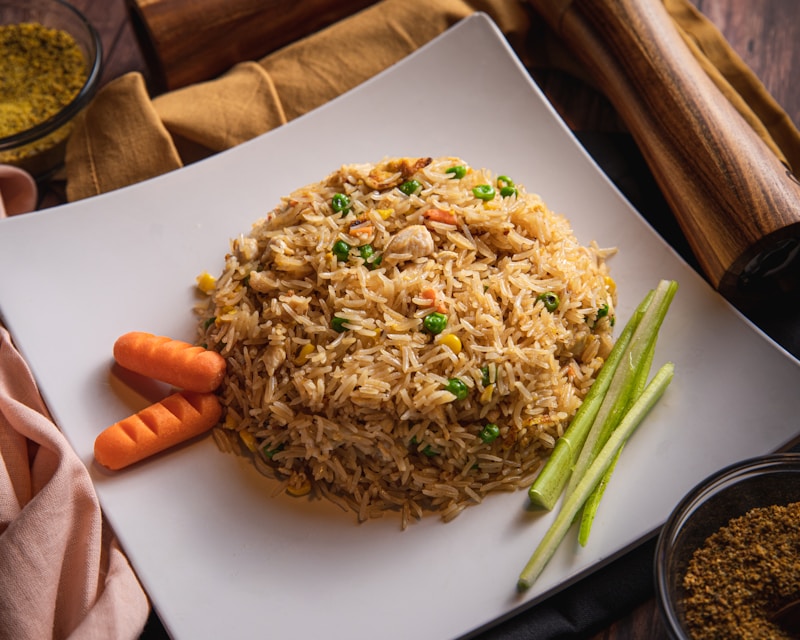
Traditional wok setup with fresh ingredients
The Traditional Method
Preparing Your Mise en Place
Preparation separates those who successfully make Chinese fried rice from those who create disasters. Break up your cold rice completely before you even think about turning on the heat. Use your hands to crumble every grain apart—clumps won't separate once they hit the blazing wok. This step takes two minutes but prevents twenty minutes of frustration. Chinese chefs never skip this because they know that proper preparation is half the battle when you make Chinese fried rice.
Dice everything uniformly and finely. Garlic, ginger, and the white parts of scallions should be minced to similar sizes. Chinese cooking happens at lightning speed, so uneven cuts mean some pieces burn while others stay raw. Beat your eggs with a splash of Shaoxing wine and white pepper. These small details matter enormously when you make Chinese fried rice because there's no time to fix mistakes once cooking begins.
The High-Heat Technique
This is where you truly learn how to make Chinese fried rice like a professional. Heat your wok over maximum flame until wisps of smoke appear. Add peanut oil—its high smoke point handles the extreme heat better than other oils. The oil should shimmer and nearly smoke the moment it hits the wok. This level of heat is what creates the signature "wok hei" flavor that makes authentic Chinese fried rice so distinctive.
Pour your seasoned eggs into the blazing oil. They should puff dramatically if your heat is correct. Let them set for exactly ten seconds, then scramble into large, silky curds. This timing is crucial when you make Chinese fried rice—overcook the eggs now and they become rubbery. Push them to one side of the wok. The technique of cooking eggs first prevents them from breaking apart later when you add the rice.
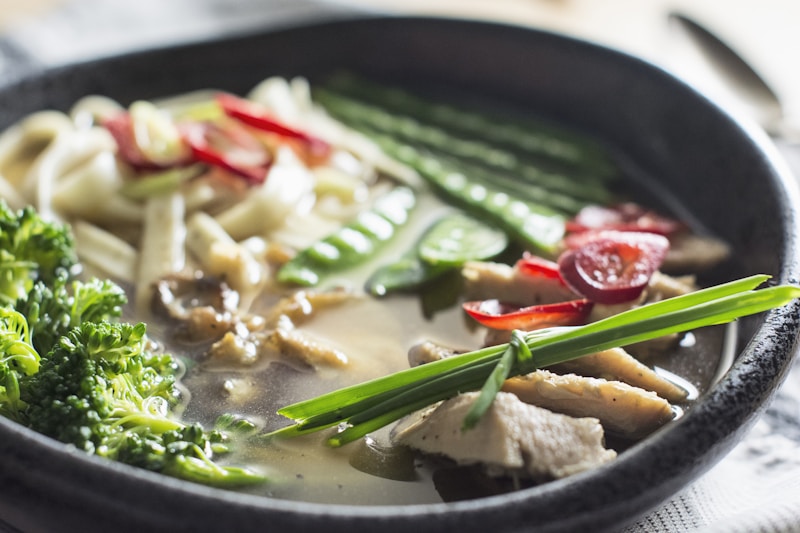
High-heat wok cooking technique
Building the Flavor Base
Now you're learning the real secret of how to make fried rice and eggs work together. Add another tablespoon of oil to the empty side of your wok. Toss in your aromatics—garlic and ginger first. Stir constantly for 15 seconds. You want them fragrant but not brown.
This is when you add proteins if using any. Diced char siu pork, shrimp, Chinese sausage—whatever you're including goes in now. Cook until about 80% done, keeping everything moving. Season lightly with salt. The constant motion prevents sticking and ensures even cooking.
The Rice Goes In
Dump all your prepared rice into the wok at once. This is the moment that separates amateurs from people who truly understand Chinese stir fry rice technique. Use your spatula to press and break any remaining clumps. Flip and toss continuously.
Every grain needs to touch the hot wok surface. That's what creates the slightly crispy texture and smoky flavor called "wok hei" in Cantonese. You can't rush this. Toss and fold for three full minutes over maximum heat. Your arm will get tired. Keep going.
Seasoning and Finishing
Drizzle soy sauce around the edges of the wok, not directly onto the rice. It sizzles against the hot metal and concentrates slightly before mixing in. This prevents soggy rice. Use light soy sauce for color and salt, dark soy for that deep caramel color you see in restaurants.
Add a splash of Shaoxing wine if you have it—maybe a tablespoon. The alcohol burns off instantly, leaving subtle depth. Toss in your cooked eggs, breaking them into smaller pieces as you fold everything together. Finish with sliced scallion greens and a tiny drizzle of sesame oil. Kill the heat immediately. Sesame oil burns easily and turns bitter.
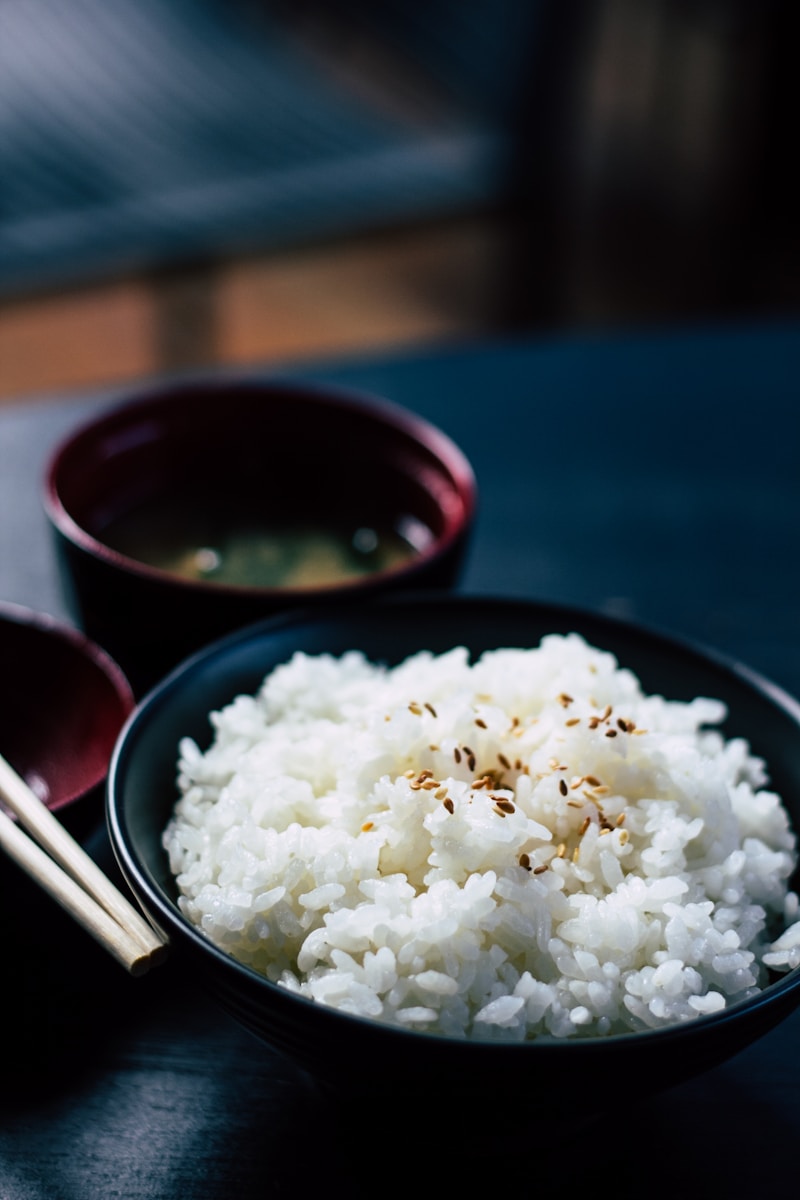
Restaurant-quality Chinese fried rice
Advanced Techniques
Professional cooks who make stir fry rice for a living have tricks worth learning. They add ingredients in stages based on cooking time. Carrots and onions go in early. Bean sprouts and leafy greens at the very end. This staged approach keeps everything properly cooked.
Another pro move: cook your rice the day before and spread it on a sheet pan in the refrigerator uncovered. This dries out the surface even more than just refrigerating it covered. The extra-dry rice absorbs flavors better and stays distinct during high-heat cooking.
Common Pitfalls to Avoid
Using Fresh Rice
This is the biggest mistake. Fresh rice is too wet. It steams instead of frying. Always use day-old refrigerated rice. If you must use fresh rice, spread it on a pan and refrigerate for at least 2 hours.
Overcrowding the Wok
Too much food drops the temperature instantly. Better to cook two batches than one overcrowded mess. Each batch should only be 2-3 cups of cooked rice maximum.
Adding Soy Sauce Too Early
Soy sauce contains sugar and burns easily. Add it near the end, around the edges where it can sizzle and reduce slightly before mixing. This technique is fundamental to authentic Chinese cooking.
Why This Method Works
When you make Chinese fried rice authentically, you're using a cooking principle called "bao"—explosive cooking over intense heat. Western cooking builds flavor through slow simmering, but Chinese technique achieves complexity through controlled intensity. This is why learning how to make Chinese fried rice requires maximum heat settings. It's not optional; it's the foundation of the entire method.
Master these fundamentals and you'll make Chinese fried rice that surpasses most restaurants. The smoky aroma, perfectly separate grains, and complex layers of flavor all result from understanding how heat, timing, and technique work together. Once you know how to make Chinese fried rice properly, you'll never look at leftover rice the same way again. This isn't just a recipe—it's a complete cooking technique that transforms simple ingredients into something extraordinary.