🍣 Choose Your Sushi Rice Type
Perfect sushi rice sits at the heart of every great sushi roll. Learning how to make sushi rice properly transforms home sushi from disappointing to restaurant-quality. The difference isn't mysterious technique—it's understanding how rice variety, rinsing, cooking temperature, and seasoning work together.
I ruined countless batches before figuring this out. Too wet, too dry, wrong texture, bland flavor. Then a sushi chef showed me his method during a cooking class. The precision surprised me—specific rice type, exact water ratios, careful temperature control. Sushi rice isn't casual cooking. It demands attention to detail.
The Secret to Sushi Rice
Use Japanese short-grain rice, rinse until water runs clear, cook with precise water ratio, and season while hot with sweetened rice vinegar. Skip any step and your sushi won't taste right.
Rice Selection Matters
You need Japanese short-grain rice, sometimes labeled "sushi rice" or "sticky rice." Long-grain varieties like jasmine or basmati don't work—they stay too separate. Medium-grain works okay but lacks the ideal stickiness. Short-grain Japanese rice has the perfect starch content for sushi.
Brands matter less than type. Koshihikari is premium, but any short-grain Japanese rice works fine for home cooking. When people ask about how to make sticky rice, they're usually referring to this same Japanese short-grain variety.
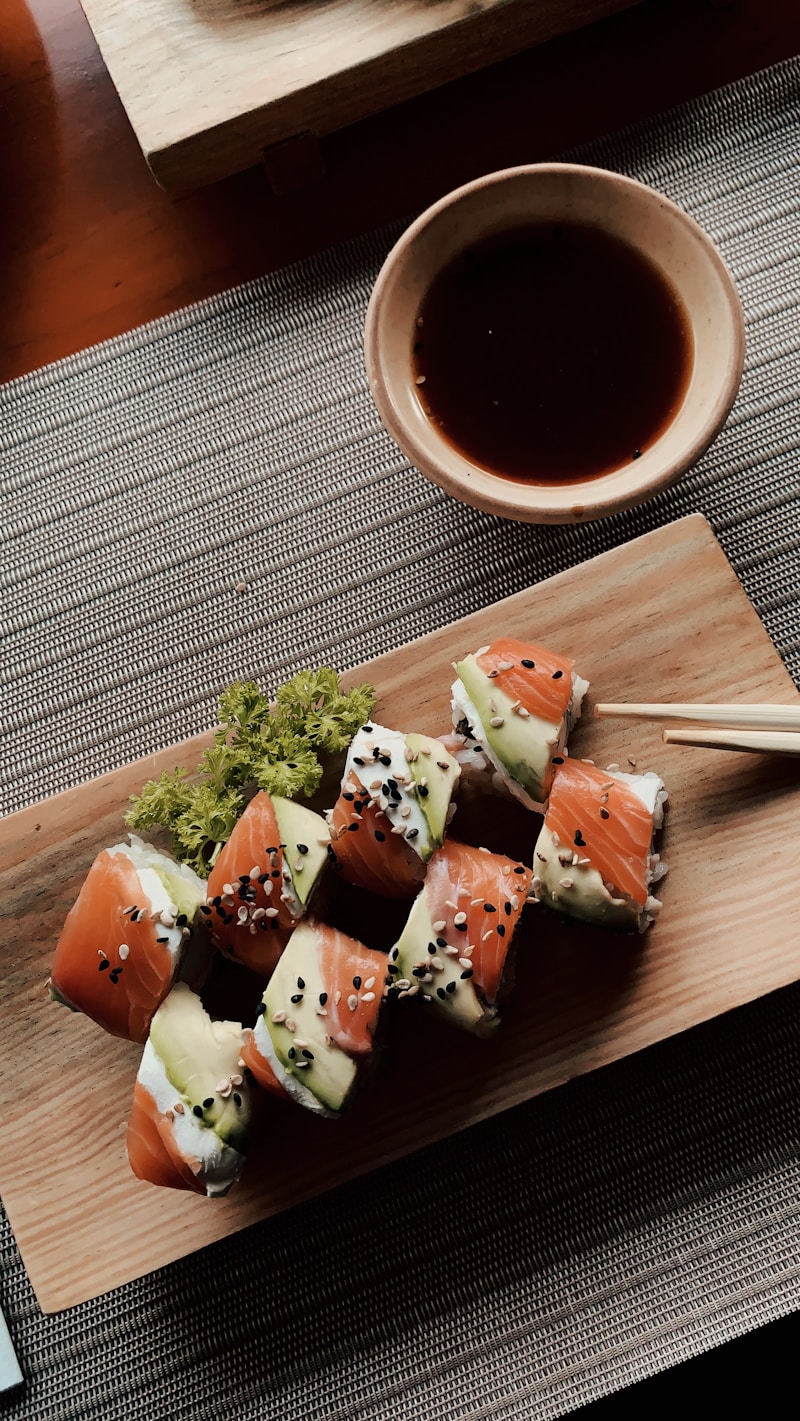
Short-grain Japanese rice perfect for sushi
The Rinsing Process
Measure your rice into a large bowl. Fill with cold water and swish vigorously with your hand. The water turns cloudy from surface starch. Drain. Repeat this process five to seven times until water runs mostly clear. This takes about five minutes but is non-negotiable.
Proper rinsing removes excess starch that would make your rice gummy. You want sticky rice, not gluey rice. There's a difference. Sticky means grains cling together softly. Gluey means they become a solid mass. Rinsing prevents that gluey texture.
Soaking Time
After final rinse, let rice soak in fresh water for 30 minutes. This allows grains to absorb water evenly before cooking starts. Drain thoroughly before cooking. Wet rice from soaking doesn't need as much cooking water—we account for this in our ratios.
Perfect Cooking Method
For two cups of rinsed, soaked rice, use two and one-quarter cups of water. This ratio works because the rice absorbed water during soaking. Put rice and water in a pot with a tight lid. Bring to boil over high heat. The moment it boils, reduce to lowest heat. Cook for 15 minutes. Turn off heat. Let rest, covered, for 10 minutes.
Never lift the lid during cooking or resting. Steam needs to stay trapped. If you're learning how to make mango sticky rice or any sticky rice dish, this same cooking method applies.
Rice cooking with proper steam retention
The Seasoning Mix
While rice cooks, prepare sushi-zu (seasoning mixture). Combine three tablespoons rice vinegar, two tablespoons sugar, and one teaspoon salt. Heat gently until sugar dissolves completely. Don't boil—just warm enough to dissolve crystals.
When rice finishes resting, transfer to a large, wide bowl—traditionally a wooden hangiri, but any large bowl works. Pour the seasoning mixture over hot rice. Using a rice paddle or wooden spoon, fold the seasoning through using cutting motions. Don't stir—cut and fold to coat without mashing grains.
Cooling Technique
While folding in seasoning, fan the rice with your other hand or have someone help fan. This rapid cooling gives sushi rice its characteristic glossy appearance. The fanning also helps excess moisture evaporate. Cool to room temperature—about 15 minutes with fanning.
Common Mistakes and Solutions
Mushy Rice
Too much water or not enough rinsing. Measure water precisely after draining soaked rice. Rinse more thoroughly next time—the water should run almost completely clear.
Dry, Crumbly Rice
Insufficient water or you lifted the lid during cooking. Check your water measurement and keep that lid on throughout cooking and resting.
Bland Flavor
Not enough seasoning or you added it to cold rice. Season while rice is hot so grains absorb the flavors. Adjust seasoning mix to taste—some prefer sweeter, others more acidic.
Using Sushi Rice
Sushi rice should be slightly warm or room temperature when making sushi—never cold. Cold rice becomes hard and won't stick together properly. If your rice cooled too much, microwave briefly with a damp towel over it.
Keep a bowl of water mixed with a splash of rice vinegar nearby when forming sushi. Dip your hands in this water frequently to prevent rice from sticking to your fingers. Wet hands are essential for clean sushi-making.
Sticky Rice Variations
The term "sticky rice" covers several types. Japanese sushi rice is seasoned short-grain rice. Thai sticky rice (glutinous rice) is a different variety altogether, traditionally steamed rather than boiled. Chinese sticky rice often includes mix-ins like sausage or mushrooms.
When someone wants to know how to make rice sticky, clarify which type they mean. The techniques differ significantly. Japanese sushi rice uses short-grain with vinegar seasoning. Thai glutinous rice soaks overnight then steams. Each has its place.
Storage and Reheating
Sushi rice doesn't store well. Make only what you need for immediate use. If you must store it, keep at room temperature covered with damp cloth for up to four hours. Refrigeration ruins the texture—the rice hardens and loses its pleasant stickiness.
Leftover sushi rice works for fried rice the next day. The drier texture from overnight storage actually benefits fried rice. Just don't try using day-old rice for making fresh sushi—it won't work.
Mastering sushi rice takes practice. Your first few batches might not be perfect. That's normal. Pay attention to what works and what doesn't. Adjust water amounts based on your specific rice and cooking method. Once you develop a feel for it, you'll make perfect sushi rice consistently without measuring everything.