Mastering rice cooking techniques ensures consistently excellent results regardless of variety or cooking method. Learning how to make perfect white rice requires understanding fundamental principles that apply across all rice preparations. When you make perfect white rice using proper techniques, these foundational methods ensure success with any type of white rice preparation, from simple side dishes to complex recipes.
Experience reveals that success when you make perfect white rice depends on understanding core principles rather than following rigid recipes. Water ratios, heat control, timing, and resting periods work together systematically to produce ideal perfect white rice. Once you master these fundamentals to make perfect white rice, every batch becomes predictably excellent with fluffy, separated grains and optimal texture.
Rice Technique Mastery
Proper rinsing removes excess starch, correct ratios ensure proper texture, controlled heat prevents burning, adequate resting redistributes moisture for perfect results every time.
The Perfect Rice Formula
The process to make perfect white rice begins with proper rinsing. Rinse white rice in cold water until water runs clear—this removes surface starch that causes stickiness and prevents you from achieving perfect white rice texture. For most long-grain white rice, use 1:1.5 ratio of rice to water. Bring water to boil, add rice, return to boil, then immediately reduce to lowest heat and cover to make perfect white rice effectively.
Cook for exactly 18 minutes when you make perfect white rice, then turn off heat and let rest covered for 10 minutes. This resting period proves crucial for perfect white rice—it allows residual steam to finish cooking while moisture redistributes evenly throughout the grains. This systematic approach to make perfect white rice produces consistent results that satisfy even discriminating palates.
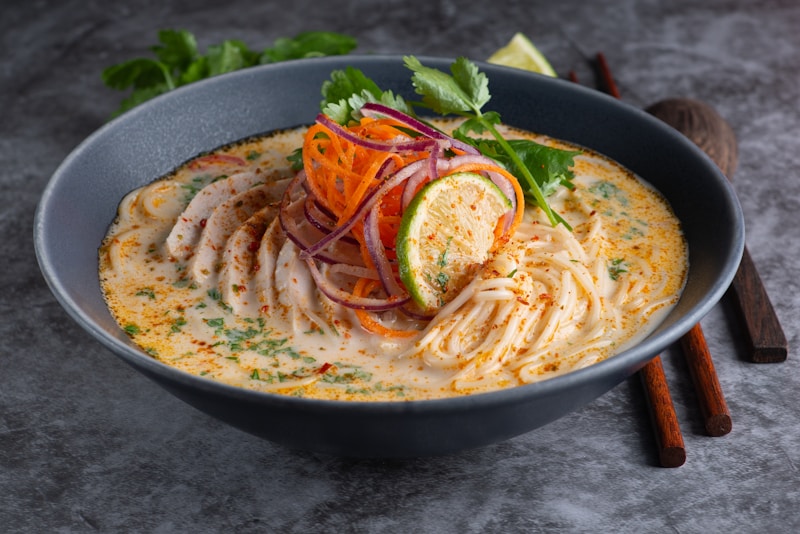
Perfectly cooked white rice with proper texture
Heat Control Mastery
Heat control determines whether you make perfect white rice or produce mediocre results. Start with high heat to bring water to vigorous boil quickly. The moment water returns to boil after adding white rice, immediately reduce to the lowest possible heat setting. This dramatic temperature reduction proves essential to make perfect white rice with optimal texture and prevents burning.
If your stove's lowest setting remains too high to make perfect white rice, use a heat diffuser or move the pot partially off the burner. You should hear gentle bubbling, not vigorous boiling. Excessive heat causes water to evaporate too quickly, leaving white rice undercooked, or creates hot spots that burn the bottom and prevent achieving perfect white rice texture.
Lid Management
Never lift the lid when you make perfect white rice—steam must stay trapped for even cooking. Lifting the lid releases steam and drops temperature, affecting cooking times and preventing perfect white rice texture. Resist curiosity and trust the process to make perfect white rice successfully. Patience during this phase proves essential for achieving perfect white rice with properly cooked grains.
Use pots with tight-fitting lids that don't allow steam to escape when you make perfect white rice. If your lid doesn't fit well, place clean kitchen towel between pot and lid to improve seal. Proper steam retention proves crucial to make perfect white rice with even cooking throughout and prevents white rice from drying out during the cooking process.
Water Ratio Precision
Different rice varieties need different water ratios. Long-grain rice typically uses 1:1.5 ratio. Medium-grain rice needs 1:1.75 ratio. Short-grain rice requires 1:2 ratio. These ratios account for different starch contents and absorption rates. Start with these guidelines and adjust based on your preferences and specific rice brands.
Altitude affects cooking—higher elevations need more water and longer cooking times due to lower atmospheric pressure. Humidity also plays a role—dry climates may require slightly more water. Keep notes on what works in your specific environment with your preferred rice brands.
Fluffing Technique
Proper fluffing prevents rice from becoming sticky or clumpy. After resting period, remove lid and use fork to gently separate grains. Work from edges toward center, lifting and separating rather than stirring. This releases steam while maintaining grain integrity.
Never use spoons for fluffing—they compress and break rice grains. Fork tines gently separate grains without damaging them. When people want to know how to make rice white and fluffy, proper fluffing technique is often the missing element.
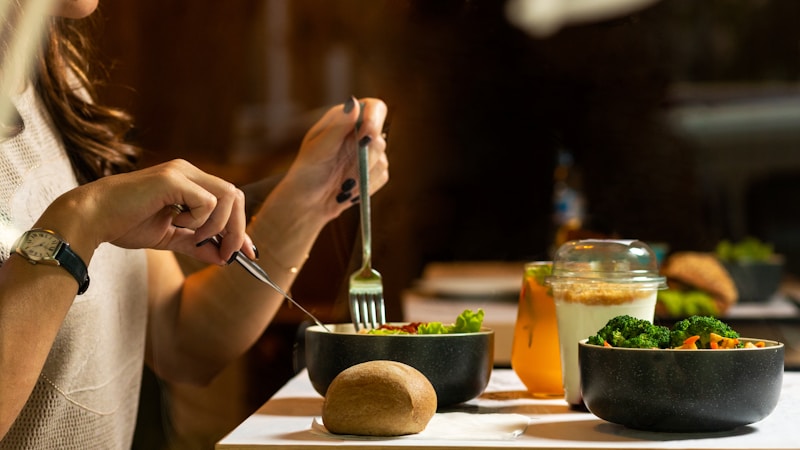
Proper rice fluffing technique with fork
Brown Rice Technique Adjustments
Brown rice requires different technique due to intact bran layer. Use 1:2.5 water ratio and cook for 45 minutes instead of 18. The bran layer slows water absorption and requires longer cooking time. When learning how to make brown rice taste good, proper technique is essential.
Soaking brown rice for 30 minutes before cooking reduces cooking time to 35 minutes and improves texture. The soaking softens the bran layer and allows more even cooking. Toast brown rice in dry pan for 3-4 minutes before cooking for enhanced nutty flavor.
Pot Selection Impact
Heavy-bottomed pots distribute heat evenly and prevent hot spots that burn rice. Stainless steel, enameled cast iron, or heavy aluminum all work well. Thin pots create uneven heating that leads to burnt bottoms and undercooked tops. Invest in quality cookware for consistently better rice.
Pot size matters too—use pots that allow rice room to expand without overcrowding. Too small and rice may boil over. Too large and liquid evaporates too quickly. A 2-quart pot works perfectly for 1-2 cups of uncooked rice, which serves 4-6 people.
Advanced Flavor Techniques
Toast rice in dry pan for 2-3 minutes before adding water for nutty flavor and better grain separation. Add aromatics like bay leaves, cardamom pods, or cinnamon sticks to cooking water. Use broth instead of water for deeper flavor. These techniques elevate basic rice to restaurant quality.
Add fat—butter, oil, or ghee—during cooking for richer flavor and better texture. The fat coats grains and prevents sticking while adding richness. Use about 1 tablespoon per cup of uncooked rice. This technique works especially well with pilaf-style preparations.
Troubleshooting Perfect Rice
Mushy Rice
Too much water or overcooking. Reduce water by 2-4 tablespoons next time. Check heat level—it may be too high. Also ensure you're using proper rice variety for intended texture.
Hard, Undercooked Rice
Insufficient water or cooking time. Add 2-4 tablespoons hot water and continue cooking 5 more minutes. Next time, increase water slightly and ensure adequate cooking time.
Burnt Bottom
Heat too high during simmering. Use lowest heat setting and heavy-bottomed pot. Consider heat diffuser if your stove runs hot. Don't stir during cooking as this can cause sticking.
Sticky, Clumpy Rice
Insufficient rinsing or wrong rice variety. Rinse rice until water runs clear. Use long-grain rice for separate grains. Proper fluffing with fork after cooking also helps separate grains.
Scaling Recipes
The absorption method scales well, but larger quantities may need slight timing adjustments. Double and triple batches use the same ratios but may need 2-3 extra minutes cooking time. Use wider pots for large batches rather than deeper ones for more even cooking.
For very small batches (less than 1 cup rice), consider using smaller pots to minimize evaporation. Tiny batches may need slightly more water per cup of rice. Keep notes on what works for your typical batch sizes.
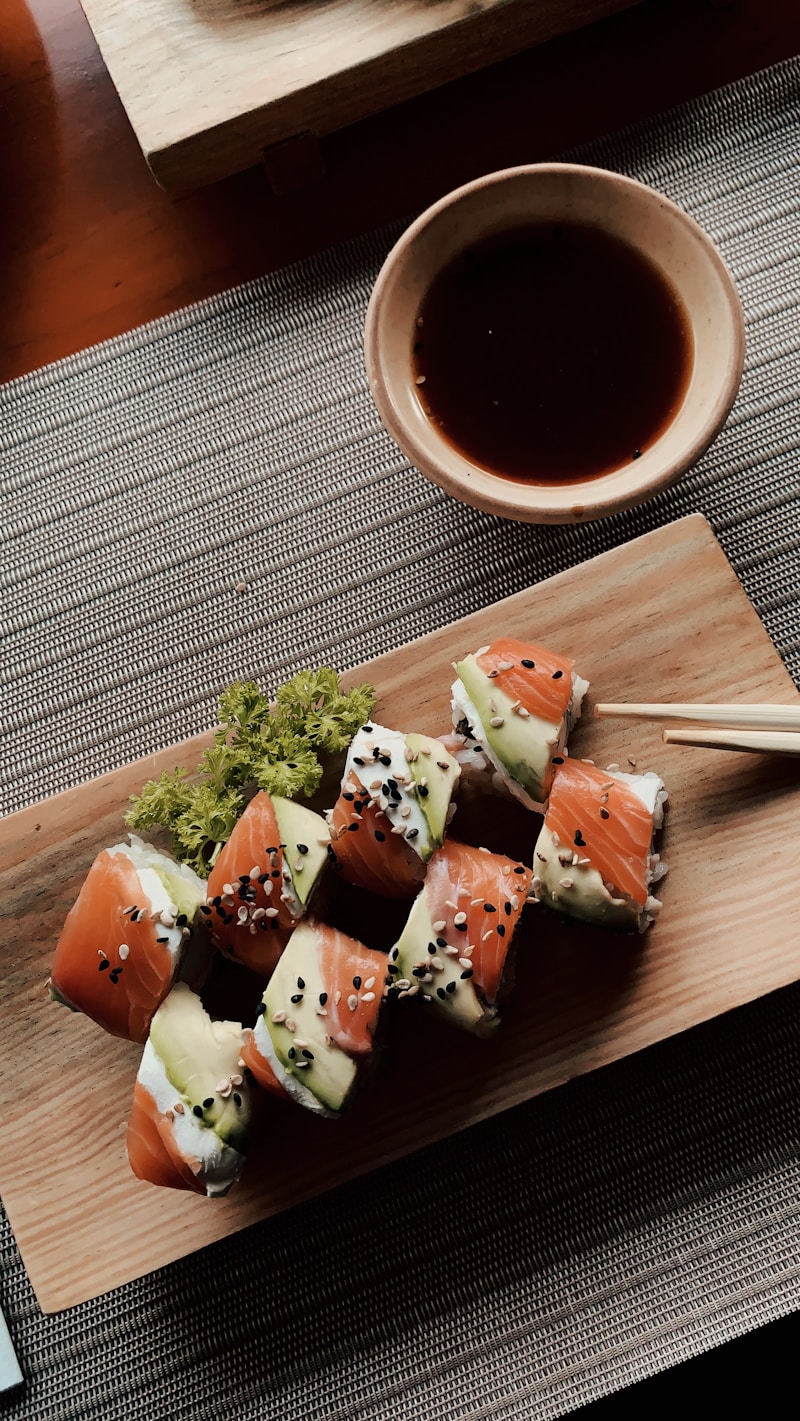
Different rice varieties using proper techniques
Make-Ahead Strategies
Cook large batches of rice for meal prep. Perfect rice reheats well when properly stored. Spread cooked rice on sheet pans to cool quickly, then portion into containers. Refrigerate up to 5 days or freeze up to 3 months. This technique saves time during busy weekdays.
Reheat refrigerated rice with splash of water in microwave or steamer to restore moisture. Frozen rice can go directly into stir-fries or fried rice applications. Day-old rice actually works better for fried rice because the drier texture prevents mushiness.
Equipment-Free Techniques
Perfect rice doesn't require special equipment—just good technique and attention to detail. Any pot with tight-fitting lid works. A timer helps with timing, but experienced cooks can judge doneness by sound and smell. These skills transfer to any kitchen situation.
Understanding fundamental principles allows you to adapt to different equipment and situations. Whether using gas or electric stoves, heavy or light pots, high or low altitude, the same principles apply with minor adjustments based on your specific conditions.
Building Confidence
Perfect rice comes from understanding principles rather than memorizing recipes. Once you grasp how water ratios, heat control, and timing work together, you can adjust for different varieties, altitudes, and equipment. This understanding builds confidence for consistent results.
Practice these techniques until they become automatic. Keep notes on what works with your equipment and environment. With experience, making perfect rice becomes as natural as boiling water—a fundamental skill that enhances countless meals and cooking applications.
Mastering rice cooking techniques provides foundation for countless culinary applications. Whether making simple steamed rice or complex dishes like paella or biryani, these fundamental skills ensure consistently excellent results. Understanding these principles transforms rice cookery from hit-or-miss to predictable success.