Rice-based soups provide comfort, nutrition, and satisfying meals in a bowl. Learning how to make chicken and rice soup means understanding how rice behaves in liquid environments and how to balance textures for optimal results. These hearty soups transform simple ingredients into nourishing, soul-warming dishes.
My love for rice soups began during a bout of illness when only gentle, nurturing foods appealed to me. The way rice absorbs flavors while providing substance and comfort made these soups perfect healing foods. Over time, I discovered that rice soups work equally well for everyday meals and special occasions.
Rice Soup Success
Add rice at the right time to prevent overcooking, use proper rice-to-liquid ratios, build flavor bases with aromatics, and adjust seasoning as rice absorbs flavors during cooking.
Classic Chicken and Rice Soup
Perfect chicken and rice soup balances tender chicken, properly cooked rice, and flavorful broth without any component overwhelming the others. Start with bone-in chicken pieces for best flavor—the bones add richness while the meat provides protein. Simmer chicken in seasoned water until tender, about 45 minutes.
Remove chicken and strain broth. Shred chicken meat and return to pot with strained broth. Add diced carrots, celery, and onion. Simmer until vegetables begin to soften, then add rice. When people ask how to make chicken rice soup, timing the rice addition prevents overcooking.
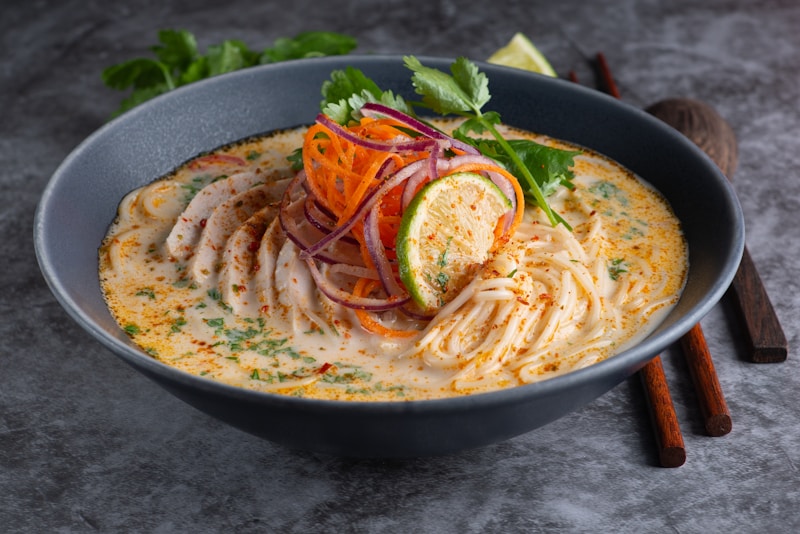
Comforting chicken and rice soup
Rice Timing in Soups
Add rice during the last 20 minutes of cooking for white rice, 45 minutes for brown rice. This prevents rice from becoming mushy while ensuring it cooks completely. Long-grain rice works best in soups because it maintains better texture and doesn't break down as readily as short-grain varieties.
If making soup ahead, cook rice separately and add it to individual bowls when serving. This prevents rice from absorbing all the broth during storage and becoming overly soft. Fresh rice added to reheated soup maintains better texture than rice that's been sitting in liquid.
Fluffy Rice Texture Management
Maintaining fluffy rice texture in soups requires understanding how rice absorbs liquid over time. Use slightly less rice than you think you need—it will continue absorbing broth and expanding. When learning how to make fluffy rice in soup applications, less is often more.
For soups that will be stored, use even less rice and expect to add more broth when reheating. Rice continues absorbing liquid during storage, potentially turning soup into thick porridge. Plan for this absorption when determining rice quantities and broth amounts.
Steamed Rice vs Soup Rice
Rice behaves differently in soups than when steamed. In abundant liquid, rice grains have more room to move and don't stick together as much. However, they also absorb more liquid and can become mushy if overcooked. When people want to know how to make steamed rice versus soup rice, the techniques differ significantly.
Soup rice should be tender but still hold its shape. Test rice frequently during cooking—it can go from perfect to mushy quickly in hot broth. Unlike steamed rice where you can let it rest, soup rice needs immediate attention to prevent overcooking.
Asian Rice Soup Variations
Chinese congee represents the extreme end of rice soup—rice cooked until it breaks down completely into creamy porridge. This requires long cooking time (1-2 hours) with frequent stirring and high liquid ratios. The result is comfort food that's easy to digest and deeply satisfying.
Korean jook (rice porridge) falls between Western rice soup and Chinese congee. Rice is cooked until very soft but still retains some texture. Various ingredients like chicken, seafood, or vegetables are added for flavor and nutrition. The cooking technique creates creamy consistency without complete rice breakdown.
Creamy Asian rice porridge
Stovetop Rice Soup Techniques
When making rice soup, understanding how to make stovetop rice helps with timing and technique. Use gentle heat to prevent rice from sticking to pot bottom. Stir occasionally but not constantly—too much stirring breaks rice grains and creates starchy soup.
Heavy-bottomed pots work best for rice soups because they distribute heat evenly and prevent hot spots that can burn rice. If rice starts sticking despite gentle heat, add more liquid and reduce temperature further. Burnt rice ruins the entire soup's flavor.
Vegetable Rice Soups
Vegetable rice soups require understanding how different vegetables release moisture and flavors. Root vegetables like carrots and potatoes should be added early since they need longer cooking time. Quick-cooking vegetables like spinach or peas go in during the last few minutes.
Build flavor bases by sautéing aromatics like onion, garlic, and celery before adding liquid. This creates depth that simple boiled vegetables can't provide. Use vegetable broth instead of water for more complex flavor, or create broth by simmering vegetable scraps while preparing other ingredients.
Seasoning Rice Soups
Rice absorbs salt and seasonings as it cooks, so soups may need seasoning adjustment during and after cooking. Start with less seasoning than you think you need, then adjust as rice cooks and absorbs flavors. Taste frequently and add salt, pepper, and herbs gradually.
Fresh herbs added at the end brighten rice soups and provide color contrast. Dried herbs can be added during cooking for deeper flavor integration. Acid from lemon juice or vinegar added just before serving brightens flavors that may become muted during long cooking.
Storage and Reheating
Rice soups continue to thicken during storage as rice absorbs more liquid. When reheating, add broth or water to restore desired consistency. Heat gently to prevent rice from breaking down further. Some texture change is inevitable, but proper reheating minimizes it.
For best results, store rice and broth components separately when possible. This allows you to control texture when reheating and prevents over-absorption. This technique works especially well for meal prep when you want consistent results throughout the week.
International Rice Soup Inspirations
Greek avgolemono combines rice with egg-lemon sauce for creamy, tangy soup. Italian riso e bisi features rice with peas in flavorful broth. Spanish sopa de arroz includes saffron and various proteins. Each tradition offers techniques and flavor combinations adaptable to home cooking.
Study these traditional soups for inspiration while adapting to available ingredients. The fundamental principles—proper rice timing, flavor building, liquid management—apply across cultures. Understanding these basics allows you to create your own signature rice soup combinations.

International rice soup varieties
Nutritional Benefits
Rice soups provide easily digestible carbohydrates, complete proteins when made with meat or beans, and various vitamins and minerals from vegetables. The liquid component helps with hydration while the rice provides sustained energy. These soups work excellently for recovery from illness or as light yet satisfying meals.
The combination of rice and broth creates synergistic nutritional benefits—the rice provides B vitamins and energy while broth supplies minerals and amino acids. Adding vegetables increases fiber, vitamins, and antioxidants, creating well-rounded nutrition in single-bowl meals.
Troubleshooting Common Issues
Mushy Rice
Rice added too early or cooked too long. Add rice closer to serving time and use long-grain varieties that hold their shape better. Consider cooking rice separately and adding to individual bowls.
Too Thick After Storage
Rice continued absorbing liquid. Add more broth or water when reheating. This is normal—plan for it by using more liquid initially or storing components separately.
Bland Flavor
Insufficient seasoning or lack of flavor base. Build aromatics before adding liquid, season throughout cooking, and adjust seasoning before serving. Rice absorbs flavors, so more seasoning is needed than for non-rice soups.
Rice soups offer endless possibilities for creating satisfying, nutritious meals. Understanding how rice behaves in liquid environments and mastering timing creates foundation for countless variations. Whether you're making simple chicken and rice soup or exploring international variations, these techniques ensure consistently delicious results.