One-pot rice dishes combine protein, vegetables, and grains into complete meals that cook together harmoniously. Learning how to make chicken and rice and other one-pot combinations means understanding how different ingredients cook at different rates and how to layer flavors for maximum impact. These satisfying dishes offer convenience without sacrificing taste.
One-pot cooking became essential when I needed to feed a family quickly after long work days. These dishes taught me how rice absorbs flavors from other ingredients while providing a hearty base for complete meals. The key is understanding timing—when to add each component so everything finishes perfectly cooked at the same time.
One-Pot Success Formula
Layer ingredients by cooking time, build flavor bases first, use proper liquid ratios for rice plus other ingredients, and time additions carefully for even cooking throughout.
Chicken and Rice Mastery
Perfect chicken and rice starts with browning chicken pieces to develop flavor and render fat. Remove chicken temporarily, then sauté aromatics in the rendered fat. Add rice and toast briefly before adding liquid and returning chicken to the pot. This layered approach builds complex flavors while ensuring both components cook properly.
Use bone-in chicken pieces for best flavor—the bones add richness to the rice while the meat stays moist during the long cooking time. When people ask how to make chicken rice, the key is understanding that chicken and rice have different cooking requirements that must be balanced.
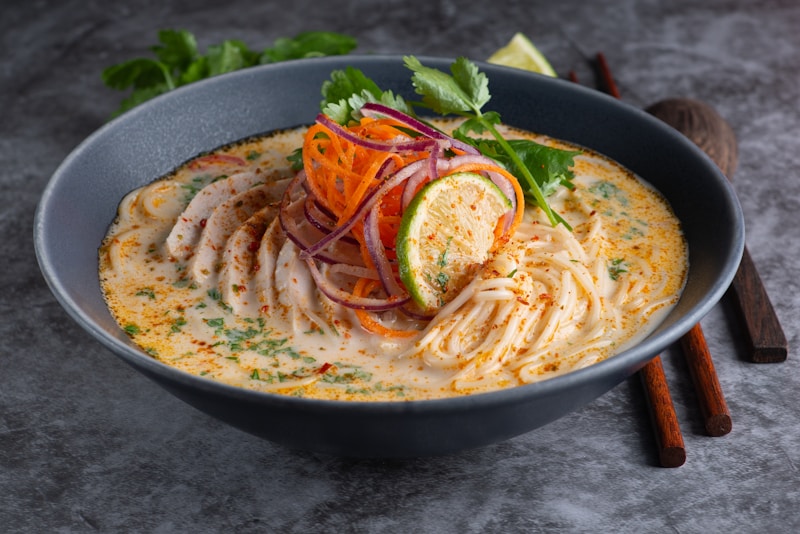
One-pot chicken and rice developing flavors
Timing and Technique
Brown chicken pieces skin-side down for 5-6 minutes until golden. Flip and brown other side for 3-4 minutes. Remove chicken and set aside. In same pot, sauté diced onion, celery, and garlic until softened. Add rice and stir for 2 minutes to toast lightly.
Add chicken broth, seasonings, and nestle browned chicken pieces on top of rice. Bring to boil, reduce heat to low, cover and simmer 25-30 minutes until rice is tender and chicken is cooked through. The chicken finishes cooking while the rice absorbs the flavorful liquid.
Red Beans and Rice
This Louisiana classic combines creamy red beans with perfectly seasoned rice for satisfying comfort food. Start with dried red kidney beans soaked overnight, or use canned beans for quicker preparation. When learning how to make red beans and rice, the key is building layers of flavor through proper seasoning and aromatics.
Sauté the "holy trinity" of Creole cooking—diced onion, celery, and bell pepper—until softened. Add garlic, bay leaves, thyme, and cayenne pepper. If using dried beans, add them with enough water to cover by 2 inches. Simmer until beans are tender, about 1-2 hours.
Rice Integration
Traditional red beans and rice serves beans over separately cooked rice. For true one-pot version, add rice to the pot when beans are nearly tender. Add enough liquid to cook rice properly—about 2 cups liquid per cup of rice. The rice absorbs bean cooking liquid, creating unified flavors throughout.
Season generously with salt, pepper, and hot sauce. The beans should be creamy but not mushy, the rice tender but not overcooked. Some cooks mash a portion of beans against pot sides to create creamier texture while leaving some beans whole for textural interest.
Creamy red beans and rice combination
Rice and Beans Variations
Different cultures create unique rice and bean combinations. Cuban black beans and rice (Moros y Cristianos) cooks beans and rice together from the start. Mexican rice and beans often includes cumin, chili powder, and tomatoes. Indian dal and rice combines lentils with basmati rice and aromatic spices.
When people want to know how to make rice and beans from different traditions, the basic technique remains similar—cook beans until tender, add rice with appropriate liquid, season according to regional preferences. The timing and spice combinations create the cultural distinctions.
Vegetable Integration
Adding vegetables to one-pot rice dishes requires understanding cooking times. Root vegetables like carrots and potatoes need longer cooking and should be added early. Quick-cooking vegetables like peas, spinach, or zucchini go in during the last few minutes to prevent overcooking.
Layer vegetables by density and cooking time. Dense vegetables like winter squash or turnips can be added with the rice. Medium vegetables like bell peppers or broccoli go in halfway through cooking. Delicate vegetables like leafy greens or fresh herbs get stirred in just before serving.
Liquid Management
One-pot rice dishes require careful liquid management because ingredients release moisture at different rates. Vegetables release water as they cook, proteins render juices, and beans contribute starchy cooking liquid. Account for these additions when calculating rice cooking liquid.
Start with slightly less liquid than standard rice cooking ratios, then add more as needed during cooking. It's easier to add liquid than remove excess. Keep warm broth nearby for adjustments. The final dish should have rice that's tender but not mushy, with just enough liquid to keep everything moist.
Flavor Building Techniques
Build flavor bases by browning proteins and sautéing aromatics before adding rice and liquid. This creates fond (browned bits) on pot bottom that adds depth to the final dish. Deglaze the pot with wine or broth to incorporate these flavors into the cooking liquid.
Toast rice briefly in the aromatic base before adding liquid. This step adds nutty flavor and helps grains maintain their shape during cooking. The toasted rice also absorbs flavors better than untoasted rice, creating more integrated final results.
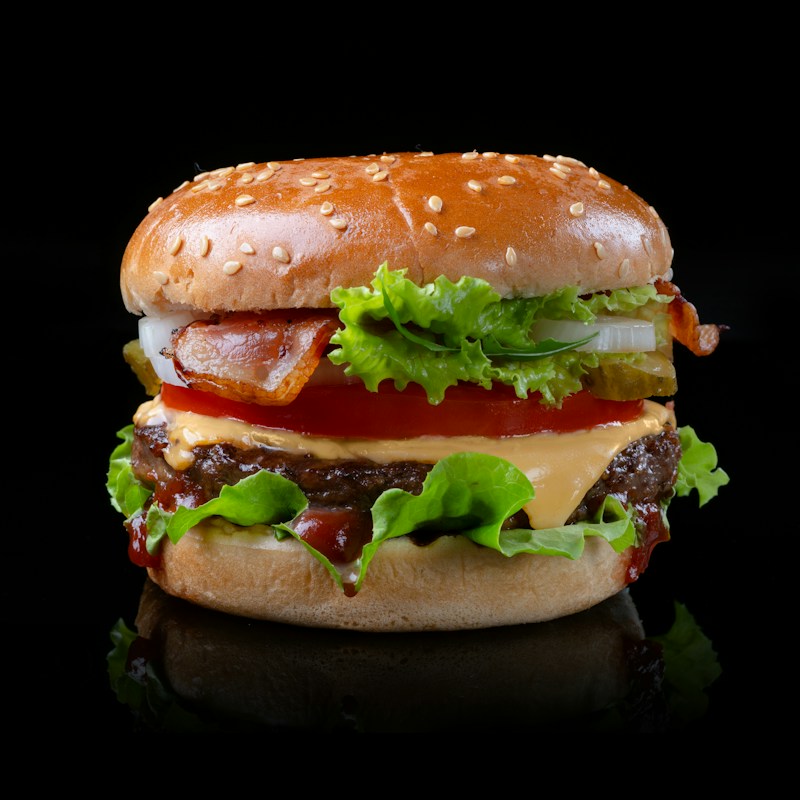
Developing flavor base with aromatics
Complete Meal Planning
One-pot rice dishes work best when they include protein, starch (rice), vegetables, and flavorful liquid. Plan combinations that provide balanced nutrition and complementary flavors. When someone asks how to make a chicken and rice dish that's complete, consider adding vegetables and ensuring adequate seasoning.
Consider texture variety within the dish. Combine tender rice with firmer vegetables, creamy beans with chewy proteins. Different textures make each bite interesting and prevent monotony. Color variety also makes the dish more appealing—mix different colored vegetables and proteins.
International One-Pot Inspirations
Spanish paella combines rice with seafood, chicken, and vegetables in saffron-scented broth. Indian biryani layers spiced rice with marinated meats. Chinese clay pot rice cooks rice with Chinese sausage and vegetables. Each tradition offers techniques adaptable to home cooking.
Study these traditional dishes for inspiration, then adapt techniques to available ingredients. The principles of timing, liquid management, and flavor building apply across cultures. Understanding these fundamentals allows you to create your own one-pot rice combinations.
Equipment Considerations
Heavy-bottomed pots with tight-fitting lids work best for one-pot rice dishes. The even heat distribution prevents hot spots that can burn rice or proteins. Dutch ovens excel at one-pot cooking because they retain heat well and can go from stovetop to oven if needed.
Size matters—choose pots large enough to accommodate all ingredients without overcrowding. Overcrowded pots cook unevenly and make stirring difficult. However, pots that are too large can cause liquid to evaporate too quickly, leaving rice undercooked.
Make-Ahead and Storage
One-pot rice dishes often taste better the next day as flavors meld together. Store leftovers refrigerated for up to 4 days. Reheat gently with splash of broth to restore moisture. The rice may absorb more liquid overnight, making reheating liquid essential for proper texture.
These dishes freeze well for up to 3 months. Portion into meal-sized containers for convenient reheating. Thaw overnight in refrigerator and reheat gently. Some vegetables may soften more after freezing, but the overall dish remains satisfying and flavorful.
Mastering one-pot rice dishes provides endless possibilities for complete, satisfying meals with minimal cleanup. Understanding timing, liquid management, and flavor building creates a foundation for countless variations that can accommodate any ingredients, dietary preferences, or cultural influences you want to explore.